
Heavy rain
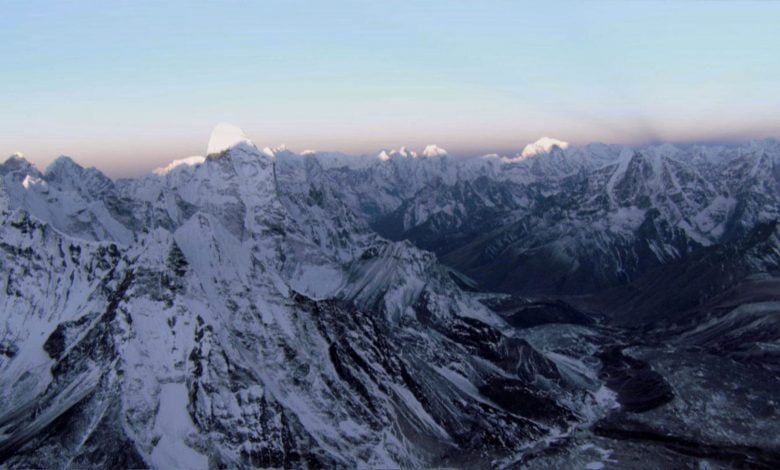
The vast size, huge altitude range and complex topography of the Himalayas mean they experience a wide range of climates,
from humid subtropical in the foothills to cold and dry desert conditions on the Tibetan side of the range. For much of Himalayas – that on
the south side of the high mountains, except in the furthest west, the most characteristic feature of the climate is the monsoon.
Heavy rain arrives on the south-west monsoon in June and persists until September. The monsoon can seriously impact transport and cause major landslides.
It restricts tourism – the trekking and mountaineering season is limited to either before the monsoon in April/May or after the monsoon in October/November (autumn). In Nepal and Sikkim, there are often considered to be five seasons: summer, monsoon, autumn, (or post-monsoon), winter and spring.
