
Inbreeding depression
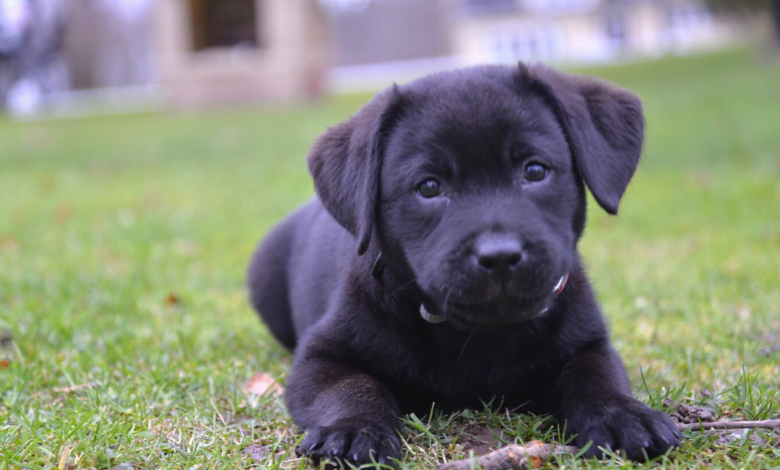
A common breeding practice for pet dogs is mating between close relatives (e.g., between half- and full siblings).[76] Inbreeding depression is considered
to be due mainly to the expression of homozygous deleterious recessive mutations.[77] Outcrossing between unrelated individuals, including dogs of different breeds, results in the beneficial masking of deleterious recessive mutations in progeny.[78]
In a study of seven dog breeds (the Bernese Mountain Dog, Basset Hound, Cairn Terrier, Brittany, German Shepherd Dog, Leonberger and West Highland
White Terrier), it was found that inbreeding decreases litter size and survival.[79] Another analysis of data on 42,855 Dachshund litters found that as the inbreeding coefficient increased, litter size decreased and the percentage of stillborn puppies increased,
thus indicating inbreeding depression.[80] In a study of Boxer litters, 22% of puppies died before reaching 7 weeks of age. Stillbirth was the most frequent cause of death, followed by infection. Mortality due to infection increased significantly with increases in inbreeding.[81]
